
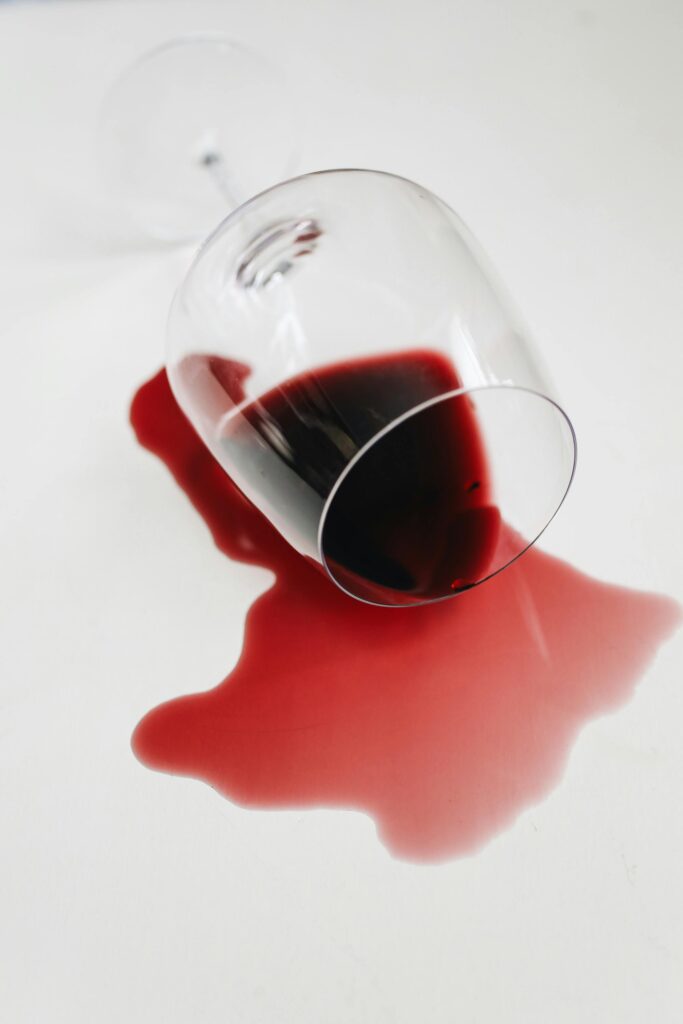
Wine stains are notorious for being difficult to remove. The reason lies in the nature of wine itself. Wine is acidic and contains strong natural pigments called tannins and anthocyanins. These pigments can bind tightly to fabric proteins and become permanent if left untreated.
Understanding this is the first step to saving your favorite clothes.
What You’ll Need
– Paper towels
– OxiClean
– Citric Acid Solution
– Dish soap, Vinegar (optinal)
– Baking soda (optional)
Quick Removal Steps
1. Gently blot the stain with a dry towel.
2. Mix dish soap and baking soda, then apply to the stain (optional).
3. Soak in OxiClean (1–6 hours).
4. Wash (add citric acid).
5. Apply dish soap and vinegar, then rinse (optional).
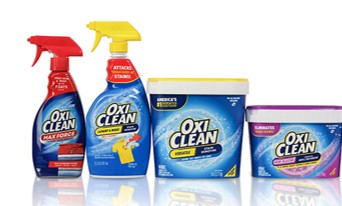
Why Soaking Works Better Than Sprays (oxiclean)
Soaking wine-stained clothes is far more effective than simply spraying a solution on the surface. The key is sustained chemical action that penetrates deep into the fibers.
Oxidation and Pigment Breakdown
OxiClean, for example, contains sodium percarbonate. When mixed with water, it releases oxygen, which attacks the chemical bonds in wine pigments. Sprays only touch the surface, but soaking allows the active oxygen to reach deep into the fibers, breaking down the stain from the inside out.
Penetration and Concentration
Warm water helps the fibers expand, allowing the cleaning solution to penetrate more deeply. This ensures that even stubborn pigments embedded in the fabric are reached and loosened.
pH and Saponification
Sodium percarbonate creates an alkaline solution, which can break down oils and residues through a mild saponification reaction. Soaking maintains a consistent environment for this reaction, helping the stain gradually dissolve into the water.
Tip: Use lukewarm water around 30–40°C and soak for 1–6 hours for the best results. Avoid hot water or over-soaking, which can damage the fabric.
Step-by-Step Wine Stain Removal
Step 1: Absorb the Excess
Gently blot the stain with a dry towel. Avoid rubbing, which can spread the wine deeper into the fibers.
Step 2: Pre-Treat (Optional but Recommended)
Mix equal parts dish soap and baking soda and apply to the stain. Tap gently to loosen the pigments. This helps the soaking step work more effectively, especially on fresh stains or sturdy fabrics like cotton or polyester.
For delicate fabrics like silk or wool, you may skip this step and move directly to soaking or use a milder pre-treatment.
Step 3: Soak
Dissolve OxiClean or another oxygen-based cleaner in lukewarm water (30–40°C) and submerge the stained area. Allow it to soak for 1–6 hours so the active oxygen can work throughout the fibers.
Step 4: Wash and Inspect
After soaking, check if the stain has lifted before machine washing. Never put the item in a dryer until you are sure the stain is gone, as heat can permanently set the pigments.
This step alone will remove 95% of red wine stains.
Advanced Stain Removal for Stubborn Wine
Glycerin Pre-Treatment
- Glycerin acts as a solvent for hardened tannins. Apply it generously to the stain and seal the fabric in a plastic bag to prevent moisture from evaporating.
- 2.Let it sit for 30 minutes to an hour.
- Then rinse with lukewarm water to remove loosened pigments.
Dish Soap and Vinegar
Dish soap acts as a surfactant, lifting pigments away from the fibers, while vinegar maintains an acidic environment that prevents further binding. Together, they create ideal conditions for removing tough stains.
- Apply the dish soap and vinegar mixture directly to the stain, tap gently to work it in
- Then rinse with lukewarm water. This ensures that the loosened pigments and dissolved tannins are washed away effectively.
Why Vinegar is Important
Wine is stable when acidic. In alkaline conditions, tannins can darken and bond more tightly with fabric, a process called “alkaline setting.” Vinegar keeps the pH low, softens existing pigment deposits, and allows dish soap to penetrate effectively.
When to Use Vinegar + Dish Soap
- Heat-Set Stains: If the garment has been through a dryer or hot water wash, vinegar helps loosen the hardened pigments.
- Colored Fabrics: Vinegar prevents the original fabric dye from being affected while targeting the wine stain.
- Delicate Fabrics: Silk, wool, or other sensitive materials can be damaged by alkaline solutions, making vinegar and mild soap the safest option.
Quick Tip: White Wine Trick
Pouring white wine on a red wine stain can help dilute the color temporarily, but it does not remove the stain. Residual sugars may even create a larger stain if not cleaned properly, so follow up with soaking or pre-treatment.
Key Takeaways
- Wine stains are acidic and pigmented, requiring immediate attention.
- Soaking ensures deep penetration and sustained chemical action.
- Glycerin softens hardened tannins.
- Dish soap and vinegar separate pigments and prevent further binding.
- Always use lukewarm water (30–40°C) and check the stain before drying.
With the right approach and understanding of the science behind wine stains, even stubborn stains can be removed safely from your favorite clothes.