
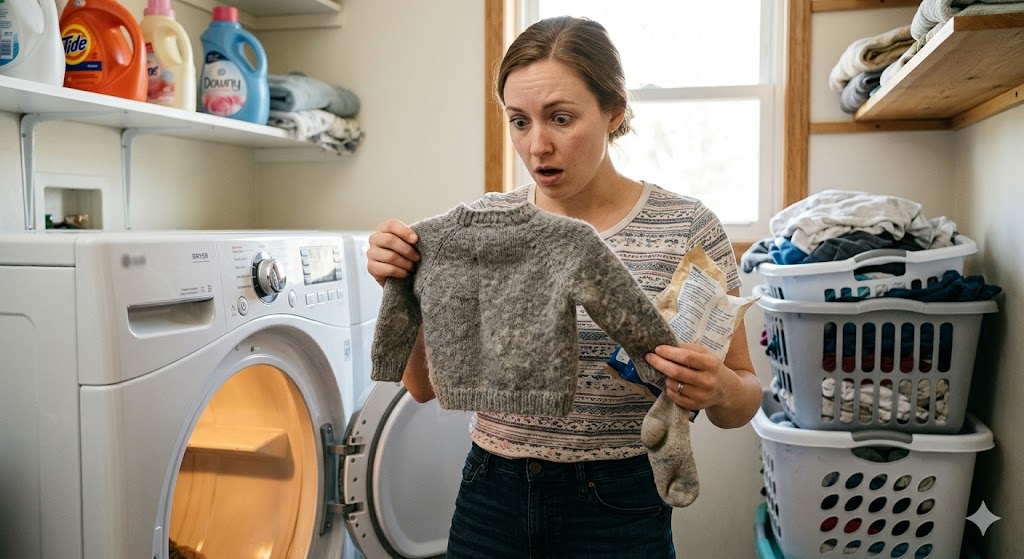
Yes — the dryer can and does shrink clothes, but not always for the reason you think.
Many people have experienced this at least once. A shirt that fit perfectly before washing suddenly feels smaller after coming out of the dryer. While it’s easy to blame the dryer itself, shrinking actually happens because of the interaction between fiber structure, moisture, heat, and fabric finishing processes.
Even when two garments are made from the same material, they may shrink differently depending on how the fabric was produced or treated during manufacturing.
Understanding how different fabrics react to heat can help prevent unwanted shrinking and keep clothes fitting properly.
What Causes Clothes to Shrink in the Dryer
Most shrinking happens when three factors work together during drying.
- heat from the dryer
- moisture remaining in the fabric
- mechanical tumbling inside the drum
When clothes are washed, fibers absorb water and expand slightly. As they dry under heat and movement, the fibers may tighten and settle into a more compact structure. This can make the entire fabric appear smaller.
Shrinkage is more likely when
- the fabric contains natural fibers
- the weave is relatively loose
- the material has not been pre-shrunk
- the dryer temperature is high
How Different Fabrics React to Dryer Heat
Cotton
Cotton is one of the most common fabrics that shrinks in the dryer.
Cotton fibers naturally have a twisted structure. When they absorb water, they swell slightly. During high-heat drying, the fibers can tighten and cause the fabric to contract.
This is especially noticeable in
- inexpensive cotton T-shirts
- cotton garments without shrink-resistant treatment
- loosely woven cotton fabrics
Some cotton fabrics go through a finishing process known as pre-shrinking. A common example is sanforized cotton, which is mechanically compressed during manufacturing to reduce future shrinkage.
Because of this treatment, two cotton shirts may behave very differently after washing and drying.
Wool
Wool is one of the fabrics most sensitive to dryer heat.
The surface of wool fibers contains tiny scales. When heat and friction are applied together, these scales can interlock. This process is known as felting.
Felting causes wool garments to
- become smaller
- feel thicker
- lose their original shape
For this reason, wool items are usually better air-dried rather than placed in a dryer.
Linen
Linen is another natural fiber made from flax plants. It is generally stronger than cotton and slightly more resistant to shrinkage.
However, high dryer temperatures can still cause some contraction. Linen garments are also more prone to heavy wrinkling in the dryer.
Lower heat or air drying usually helps maintain the fabric’s original shape.
Polyester
Polyester is a synthetic fiber that is generally resistant to shrinking.
During manufacturing, polyester is exposed to high temperatures that stabilize the fiber structure. Because of this heat-setting process, normal dryer temperatures typically do not cause significant shrinkage.
This is one reason many garments are made with cotton-polyester blends. The polyester component helps improve shape stability.
Rayon and Viscose
Rayon and viscose are semi-synthetic fibers made from regenerated cellulose. These fabrics can be more unstable when wet.
When exposed to heat and tumbling in a dryer, they may shrink or lose their original shape more easily than many other fabrics.
For this reason, rayon garments are often better dried naturally rather than in a high-heat dryer cycle.
A Simple Way to Judge Dryer Risk
A quick rule of thumb sometimes used in clothing care is to gently stretch the fabric with your hands.
If the fabric feels noticeably stretchy or flexible, it may be safer to avoid using a dryer.
Materials that often behave this way include
- knit fabrics
- rayon blends
- garments containing spandex
- very lightweight fabrics
These materials tend to be more sensitive to heat and mechanical movement.
This method is only a practical guideline. The most reliable reference is always the garment care label (Unfortunately, care labels are not always 100% accurate in real life).
Why Two Garments Made From the Same Fabric Shrink Differently
One of the most confusing things about laundry is that two pieces of clothing made from the same material may shrink differently.
This difference often comes from how the fabric was processed during manufacturing.
Many garments go through a process known as pre-shrinking. During this step, the fabric is intentionally compressed or relaxed so that most of the shrinkage occurs before the garment reaches the consumer.
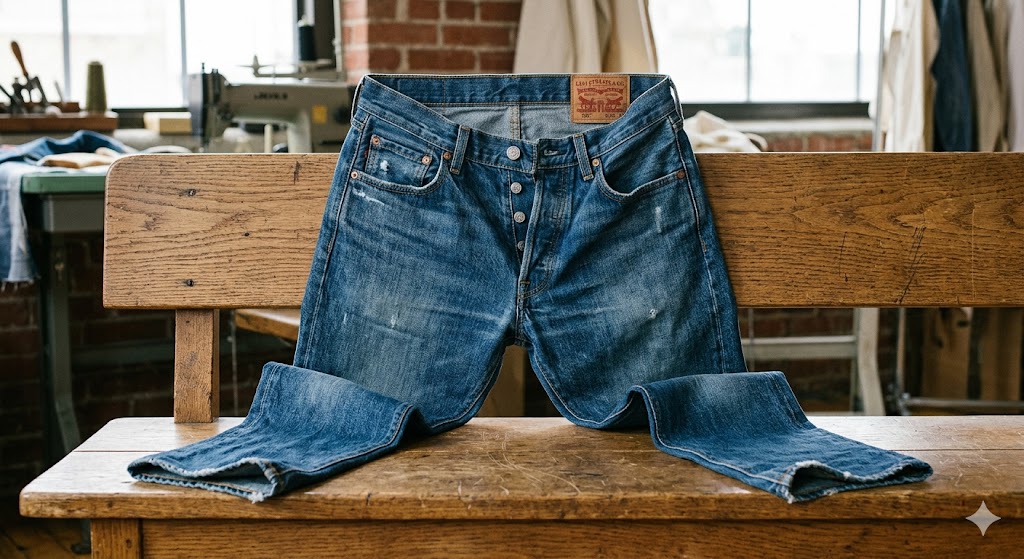
A classic example can be found in traditional denim products from Levi’s such as the well-known Levi’s 501 Jeans. Some versions of these jeans are made with “shrink-to-fit” denim, which is designed to shrink during the first wash.
In these cases, the shrinkage is part of the intended fit of the garment.
Choosing Clothes Designed to Shrink
Garments made from shrink-to-fit fabrics require a slightly different approach when selecting size.
Many people choose a slightly larger size because the garment will become smaller after the first wash. Waist and length may both reduce slightly depending on the fabric and washing method.
Some denim enthusiasts even prefer this type of fabric because it allows the jeans to mold more closely to the body after washing.
However, drying methods can affect how much the fabric shrinks. Air drying is often preferred when trying to control the final fit.
How Dry Cleaners Handle Slight Shrinkage
Professional garment care often includes a step that many people do not see.
After washing or cleaning, and before final pressing, garments may be placed on specialized finishing equipment. These machines use steam to relax the fabric fibers.
While the garment is exposed to steam, the fabric can be gently stretched back toward its original shape. This process helps correct minor shrinkage and restore the garment’s proper form.
Shirts, jackets, and structured garments often benefit from this step, which helps them look smoother and closer to their original size.
Ways to Reduce Dryer Shrinkage
Shrinkage cannot always be prevented completely, but a few habits can significantly reduce the risk.
Lower dryer temperatures tend to be gentler on most fabrics. Removing garments before they are completely dry can also help limit excessive contraction.
Air drying is usually the safest choice for fabrics known to shrink easily. Air-dry your clothes until they are about 80-90% dry, then toss them in the dryer on low heat for 1-2 minutes to restore their softness.
Choosing garments made with pre-shrunk fabrics can also reduce future problems.
Understanding how different fibers react to heat allows you to care for clothes more effectively and keep them fitting well over time.