Understanding laundry care labels is the first step to keeping your clothes looking their best. Those small tags inside your garments may seem easy to ignore, but they contain essential information about how to properly wash, dry, and care for each item. By learning what these symbols mean, you can prevent shrinking, fading, and damage—ultimately extending the life of your favorite pieces. In this guide, we’ll break down the basics of laundry care labels so you can approach your laundry routine with confidence.
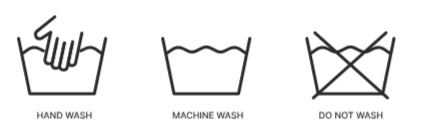
“Hand wash” is not the same as using a gentle cycle in a washing machine. While a gentle cycle reduces agitation, a true hand wash involves extremely minimal drum movement—far less than any machine setting can provide. This is because hand-wash items are typically delicate and can be easily damaged by even slight mechanical action. To properly care for these garments, it’s best to wash them by hand or use a specialized setting designed to mimic the very low level of movement.
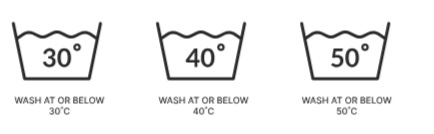
Three Key Factors Determining Water Temperature
- Fiber Thermostability: Prevents physical deformation or shrinking caused by heat, especially in synthetic and natural fibers.
- Color Fastness: Ensures dyes remain bonded to the fabric to prevent bleeding or fading during the wash cycle.
- Soil Removal Efficiency: Balances the optimal temperature needed to activate detergents and break down specific stains (like oils or proteins).
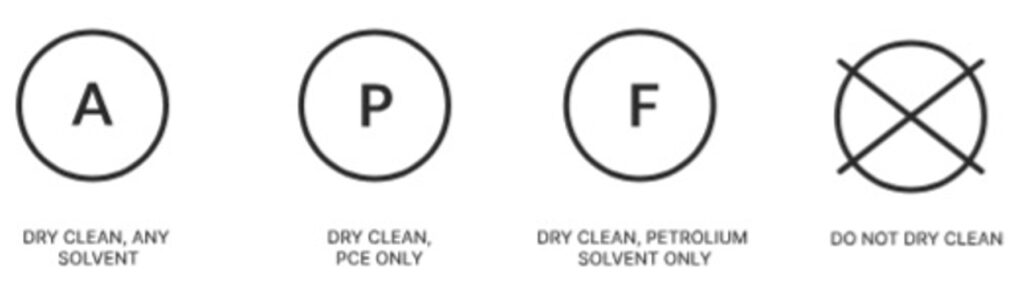
Circle with “A” (Any Solvent): This is the most permissive symbol. It indicates that the garment can be cleaned using any standard professional dry cleaning solvent, including Perchloroethylene (PCE), hydrocarbon, or siloxane.
Circle with “P” (PCE Only): This is the most common professional symbol. It stands for Perchloroethylene, the traditional “perc” solvent. It also allows for the use of hydrocarbon solvents, but it serves as a warning that the garment can withstand the stronger cleaning power of PCE. Perc is being phased out across the United States. In states like California, the use of Perc dry cleaning machines has been completely prohibited as of 2023.
Circle with “F” (Petroleum/Flammable Solvent Only): This symbol is a cautionary mark. It indicates the garment is sensitive and should only be cleaned with Petroleum (hydrocarbon) or other mild solvents. These solvents have a higher flash point and a gentler chemical action, making them safer for delicate trims, beads, or specific synthetic blends that might dissolve in PCE.
Circle with a Cross (Do Not Dry Clean): This indicates that the chemicals or mechanical action used in the dry cleaning process will damage the fabric, interlinings, or dyes.
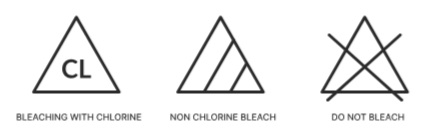
Triangle with “CL” (Bleaching with Chlorine): This symbol indicates that the garment is safe for use with Chlorine Bleach (Chlorox). This is typically reserved for sturdy white fabrics like cotton or linen.
Triangle with Diagonal Lines (Non-Chlorine Bleach): This serves as a warning. You should only use oxygen-based or color-safe bleach (Oxiclean). These products are gentler on fibers and dyes compared to their chlorine counterparts.
Triangle with a Cross (Do Not Bleach): This indicates that no type of bleach should be used. The chemicals will likely weaken the fibers or cause significant color loss.

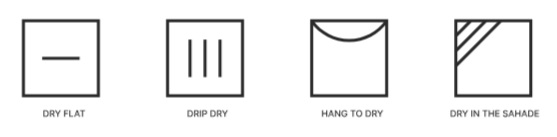
Different fabrics require specific drying techniques to maintain their shape and longevity.
- Tumble Dry: Safe for durable garments that can handle heat and movement.
- Dry Flat (Lay Flat): Mandatory for sweaters. Laying them flat prevents gravity from stretching wet fibers and ruining the garment’s shape.
Hang Dry vs. Drip Dry
| Method | Process | Best For |
| Hang Dry | Spin-dried first to remove excess water, then hung. | Woven shirts and pants. |
| Drip Dry | Hung while soaking wet without wringing or spinning. | Delicates and “permanent press” items to naturally pull out wrinkles. |
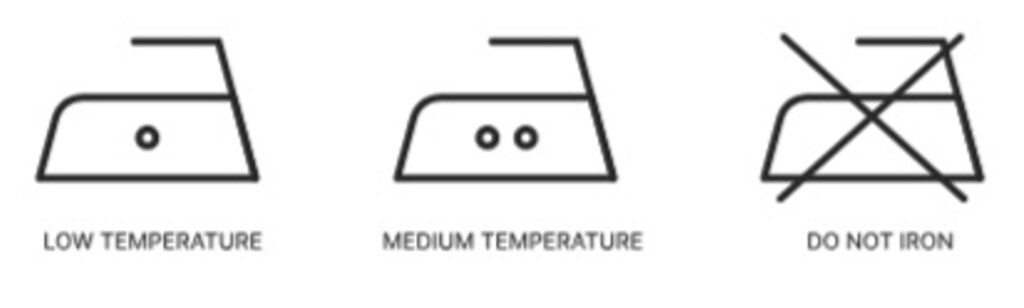
The iron symbols on a care label indicate the maximum temperature a fabric can withstand without scorching or melting. As seen in the file ironing.jpg, the dots inside the iron represent heat levels:
- One Dot (Low Temperature): Used for delicate or heat-sensitive fibers like acetate, acrylic, or nylon.
- Two Dots (Medium Temperature): Suitable for synthetics and wool blends.
- Three Dots (High Temperature): (Not shown in image) Reserved for durable natural fibers like cotton and linen.
- Iron with a Cross (Do Not Iron): Indicates the fabric may melt or be permanently damaged by heat.
The Professional Secret: The Power of Steam
While home care often relies on a dry iron pressing down on the fabric, professional cleaners primarily use high-pressure steam for finishing.
- Relaxing the Fibers: Steam works by penetrating the fabric to relax the molecular bonds of the fibers. This removes wrinkles more effectively than dry heat alone, without the risk of “shining” the fabric from direct metal contact.
- Safety for Delicates: For heat-sensitive garments, professionals often use a Steam Finisher or a “form finisher.” This allows the steam to pass through the garment while it is held in shape by air, ensuring a crisp look without the compression of a heavy iron.
- Sanitization: The high temperature of professional steam also helps to sanitize the fabric, neutralising lingering odors and bacteria.
🧺 Pro Tip from a Dry Cleaner
Care labels aren’t always gospel. Manufacturers often default to “Dry Clean Only” not because it’s necessary, but because it protects them from liability if anything goes wrong. And in some cases, the label is just plain wrong — I’ve seen garments ruined by following the instructions exactly as written. After 20+ years in the business, I’ve learned to treat care labels as a starting point, not the final word.