
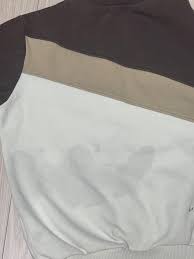
I previously mentioned in an earlier article that, as a dry cleaner owner, I generally do not recommend using fabric softener. However, for those who still prefer to use it and do not want to give up its benefits, here are a few important precautions to keep in mind.
Diluting fabric softener with water before adding it to the wash helps protect both your clothes and your washing machine. This is especially important when caring for delicate garments such as merino wool sweaters or fine-gauge knitwear.
Fabric softeners are highly concentrated products. When used undiluted, they can interact with fabrics in ways that lead to uneven coating, staining, or buildup inside the machine. A simple dilution step helps the product distribute more evenly and work as intended.
Preventing Spots and Discoloration
Fabric softener contains concentrated chemical compounds designed to coat fibers. If the liquid is poured directly onto clothing without dilution, it may absorb too quickly into one area of the fabric.
This can leave behind oily spots or slightly bluish marks that are difficult to remove later. Diluting the softener allows it to disperse more evenly in the wash water, greatly reducing the chance of localized staining.
Creating a More Even Fabric Coating
The purpose of fabric softener is to form a thin coating over the surface of textile fibers. This coating reduces friction between fibers, making fabrics feel softer and smoother.
When the product is diluted beforehand, it spreads more evenly throughout the drum. As a result, garments receive a consistent level of softness and fragrance.
Without dilution, the distribution can become uneven. Some areas of the garment may remain stiff, while other areas may feel overly slick or coated.
Reducing Residue Inside the Washing Machine
Many modern fabric softeners are highly concentrated and have a thick consistency. When the product is added directly to the dispenser without dilution, it may not flow smoothly through the system.
Over time, this can lead to sticky residue accumulating in the dispenser compartment or inside the machine. These residues can trap moisture and detergent particles, sometimes contributing to the buildup often associated with washing machine odor.
Diluting the softener improves its flow and helps prevent residue from collecting inside the washer.
Tips for Using Fabric Softener More Safely
Use lukewarm water for dilution
Fabric softener does not always dissolve well in very cold water. Mixing it first with a small amount of lukewarm water helps it disperse more effectively when added to the wash.
Add it during the final rinse
If your washing machine has a dedicated fabric softener compartment, the machine will automatically release it during the final rinse cycle.
If you are adding it manually, wait until the final rinse water has filled the drum and then add the diluted softener.
Consider vinegar as an alternative
If you prefer to avoid chemical softeners, diluted vinegar or a small amount of liquid citric acid can be used during the final rinse. These options help remove detergent residue and can leave fabrics feeling softer without heavy coating.
This method is particularly popular when washing delicate fabrics or garments that benefit from minimal chemical buildup.
How to Remove Fabric Softener Stains from Clothes
Fabric softener stains often appear as oily spots, greasy patches, or slightly bluish marks on fabric. These stains usually happen when concentrated softener touches the fabric directly and leaves behind a residue.
The good news is that these stains are usually removable because they are coating residues, not permanent dye damage.
Use Warm Water and Liquid Detergent
The most effective way to remove fabric softener residue is to dissolve the oily coating.
Step 1
Dampen the stained area with warm water.
Step 2
Apply a small amount of liquid laundry detergent directly to the stain.
Step 3
Gently rub the fabric together or use a soft brush to work the detergent into the fibers.
Step 4
Let it sit for about 10–15 minutes.
Step 5
Wash the garment again in warm water according to the care label.
Laundry detergent helps break down the conditioning agents that create the stain.
However fabric softener stains penetrate into the fibers and form a coating, so once the item has been through the dryer, they are very difficult to remove.
You may also find this helpful:
The Fabric Softener Myth: Why I Stopped Using It in My Laundry Business