
The biggest misconception when removing yellow stains is thinking that oxidizing bleaches like OxiClean will solve everything, or using chlorine bleach products like Clorox.
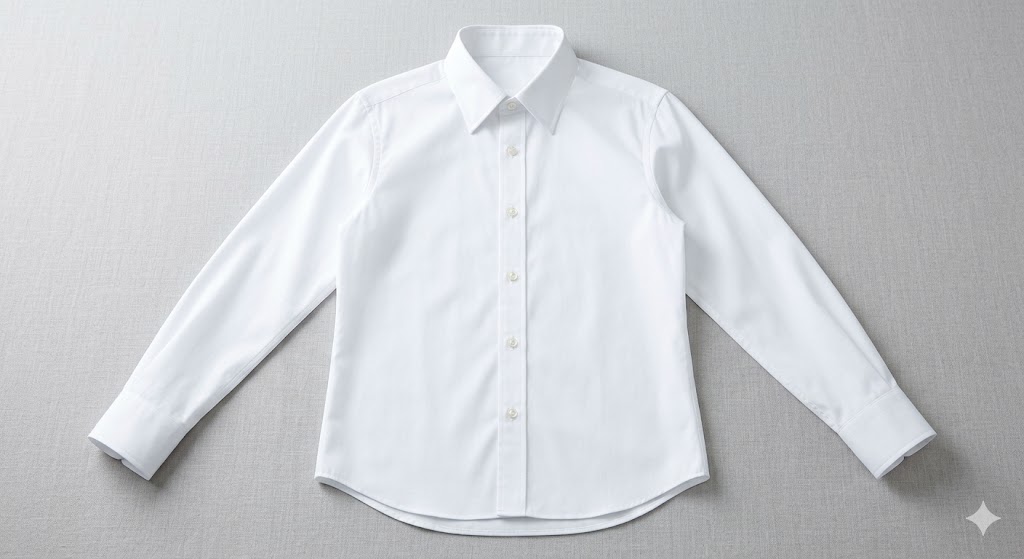
That dreaded moment—you pull your favorite crisp white shirt or t-shirt out of the closet, and it’s dull, dingy, and yellowed around the collar and underarms. It’s frustrating, but it’s a very common problem.
As a professional laundry service, we see this all the time. The good news is that once you understand the science behind the yellowing, you can easily prevent it and even reverse it. This guide will explain exactly why white clothes turn yellow and give you the actionable, expert-approved methods to keep your whites brilliantly white.
What You’ll Need
– Brush
– Dish soap
– Citric Acid Solution (Optional)
– OxiClean
Quick Removal Steps
1. Apply dish soap to collar, underarms, and cuffs.
2. Wash using alkaline detergent.
3. Soak in OxiClean (2 hours).
4. Rinse (add citric acid).
5. Dry in direct sunlight (optional).
Top Reasons Why White Clothes Turn Yellow
The yellowing of white fabrics isn’t just about dirt; it’s a chemical reaction. Here are the four primary culprits, based on laundry science and years of professional experience:
Body Oils (Sebum) and Sweat
The number one cause of yellowing is you. Your skin constantly produces a natural oil called sebum.
- Oxidation: When sebum is trapped in the fabric fibers, it reacts with oxygen over time. This oxidation causes the oil to break down and turn yellow.
- The Trouble Spots: You’ll notice this most on collars (collar yellowing), underarms, and cuffs.
Detergent and Fabric Softener Buildup
Using too much detergent can actually make your clothes dirtier.
- Trapped Particles: Leftover detergent residue forms a sticky film that attracts dust.
- A “Yellow Layer”: This residue reacts with the air, solidifying into a dull, yellowish layer. This is common with excessive detergent use or insufficient rinsing.
The Hidden Cost of Fabric Softener
Fabric softener works by coating the fabric. Unfortunately, this coating traps sebum, dust, and detergent, preventing them from being washed away and leading to gradual yellowing.
4. Heat from the Dryer + Residual Pollution
If any residual body oil or detergent is left in the fabric, the intense heat of the dryer “sets” the stain. This turns a faint spot into a permanent yellow mark.
How to Restore Yellowed Clothes to Bright White
Tackle the Oil First: The Pre-Treatment
A quick pre-treat can solve 70% of yellowing issues.
- Method: Apply a small amount of dish soap or neutral detergent to the collar, underarms, and cuffs.
- Action: Gently scrub with a soft brush before tossing it in the wash.
Follow the “70-80% Rule” for Detergent
More soap does not equal cleaner clothes. Use only 70-80% of the recommended amount to prevent residue buildup and dullness.
The Secret Weapon: Neutralizing with Vinegar or Citric Acid
Since most effective detergents for whites are alkaline, a crucial step is neutralization during the rinse cycle.
- Why it works: Adding distilled white vinegar or citric acid to the final rinse neutralizes residual alkalinity.
- The Benefit: It prevents “soap scum” from forming and ensures that no alkaline residues remain to react with heat or air, significantly preventing future yellowing. It also acts as a natural softener!
Use an Oxygen Bleach Soaking Method Regularly
For deep cleaning, use an oxygen bleach (like OxiClean).
- The Process: Soak whites in warm water with oxygen bleach for 1–2 hours before a regular wash. This is highly effective at breaking down oxidized sebum.
Embrace Natural “Sun Bleaching”
The sun’s UV rays have a natural bleaching effect. Drying cotton t-shirts or towels in direct sunlight helps maintain a bright white finish.
The Key Takeaway for Brilliant Whites
Yellowing is caused by “Sebum + Detergent Residue + Heat.” To keep clothes white: 1️⃣ Pre-treat oily areas (collars/cuffs). 2️⃣ Don’t over-use detergent. 3️⃣ Neutralize with a citric acid or vinegar rinse. 4️⃣ Periodically soak in oxygen bleach.
Why Alkaline Detergent Works Better for White Clothes
While many believe “neutral detergent” is always safer, alkaline detergent is actually the hero for white clothes.
Body Oil is the Main Cause of Yellowing
Since sebum is an acidic oil, it requires an alkaline base to be effectively broken down. Neutral detergents often lack the “punch” needed to strip away heavy oils from shirt collars and underarms.
Alkaline Detergent Breaks Down Oil More Effectively
In laundry chemistry, alkalinity performs saponification—essentially turning the oils into water-soluble soap that washes away. It also helps:
- Emulsify grease.
- Suspend dirt in the water so it doesn’t settle back on the clothes.
When Neutral Detergent is Still Better
Only use neutral detergents for protein-based fibers that can be damaged by alkalinity:
- Wool
- Silk
- Cashmere
For your standard cotton and synthetic whites, stick with a mild alkaline detergent and finish with a citric acid rinse for the best professional-grade results!
You may also find this helpful:
Why Some Yellow Stains Disappear with Sun Bleaching but Not with OxiClean