
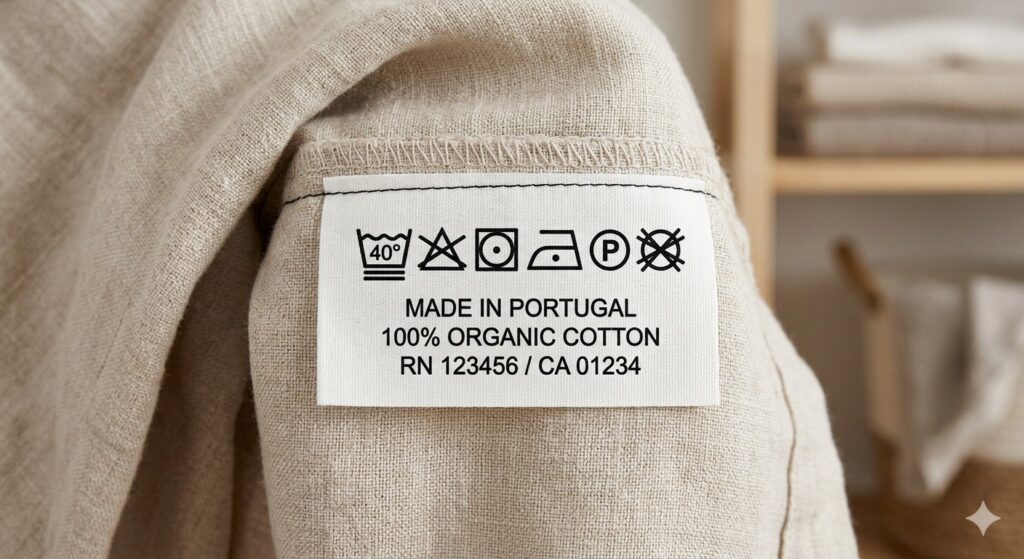
Many garments come with a “Dry Clean Only” label. Because of this, many people assume the item should never be washed with water.
As a result, clothing that could potentially be cleaned at home is sometimes sent to the dry cleaner by default.
The reality, however, is more complicated. A Dry Clean Only label is not always an absolute rule. Some garments may tolerate careful washing, while others can be permanently damaged if exposed to water.
Understanding what this label really means can help you avoid unnecessary cleaning costs and extend the life of your clothing.
What Does “Dry Clean Only” Actually Mean?
A Dry Clean Only label means the manufacturer recommends professional dry cleaning as the safest cleaning method for that garment.
Dry cleaning uses specialized solvents instead of water to remove oils and soils from fabric. This process helps protect materials that may shrink, distort, or lose structure during traditional washing.
Because many delicate fabrics are sensitive to water, manufacturers often choose dry cleaning as the safest universal recommendation.
However, in many cases the label is also a conservative guideline designed to prevent liability if the garment is damaged during home washing.
The Limitations of Traditional Dry Cleaning
Traditionally, many dry cleaners used petroleum-based solvents for dry cleaning.
These solvents are very effective at removing oil-based stains such as grease, cosmetics, and body oils.
However, they are less effective at removing water-soluble contaminants, such as:
- sweat
- beverages
- food residue
- body salts
Because of this, traditional dry cleaning may not always remove all types of soil from garments.
In other words, dry cleaning is not a universal solution for every type of contamination, but rather a method that works especially well for oil-based soils.
The Rise of Professional Wet Cleaning
Because of these limitations, some modern cleaners have gradually adopted professional wet cleaning.
Wet cleaning uses water, but it is very different from regular home laundering.
Professional wet cleaning requires:
- specialized washing machines designed for delicate garments
- fabric conditioners that protect fibers during washing
- advanced finishing equipment to restore the garment’s original shape
After cleaning, garments often need to be reshaped, pressed, or finished using professional equipment.
This process requires significant investment in equipment and training, which is why not every cleaner offers professional wet cleaning.
Why Water Is Still One of the Best Cleaning Solvents
Aside from oil-based stains, most contaminants produced by the human body are water-soluble.
These include:
- sweat
- beverages
- food particles
- body odor compounds
- certain cosmetic residues
For these types of soils, water is often the most effective cleaning solvent.
This is why experienced cleaners often evaluate both the fabric and the type of contamination before choosing a cleaning method.
In many cases, the best approach is not simply following the care label, but selecting the method that will clean the garment effectively while still protecting the fabric.
What Experienced Dry Cleaners Actually Do
An experienced cleaner does more than follow the care label mechanically.
Before cleaning a garment, professionals often evaluate:
- fabric type
- garment construction
- dye stability
- type of contamination
Based on these factors, they determine whether dry cleaning, wet cleaning, or targeted stain treatment will produce the best result.
This process requires both experience and technical expertise. Choosing the wrong cleaning method can cause garments to shrink or lose their shape.
At the same time, an overly conservative cleaning approach may fail to remove contaminants thoroughly. When soils remain in the fabric, odors can gradually build up, and residual substances may even cause skin irritation over time.
Can You Wash “Dry Clean Only” Clothes at Home?
Some garments labeled Dry Clean Only may tolerate careful washing at home, especially if their construction is simple.
Examples may include:
- lightweight silk blouses
- light wool sweaters
- polyester dresses
- garments with simple structure
However, structured garments such as blazers, suits, coats, or lined garments are much more likely to lose shape during washing.
When dealing with expensive or delicate clothing, professional evaluation is often the safer choice.
The Bottom Line
A Dry Clean Only label indicates the safest recommended cleaning method, but it does not always tell the full story.
Traditional dry cleaning is excellent for removing oil-based soils, while water-based cleaning methods can be more effective for many everyday contaminants.
The most important factor is choosing the right cleaning method for both the fabric and the type of soil present.
Experienced cleaners consider these factors carefully and often go beyond simply following the label to find the most effective and safest way to care for a garment.